
In Islam, performing Salah (prayer) five times a day is a fundamental pillar of faith. Central to this act is the requirement of cleanliness and spiritual focus. This is where the Islamic Prayer Rug becomes invaluable. By unrolling it, a worshipper instantly defines a ritually clean area, ensuring that their prostrations are performed on a pure surface, regardless of their location. This simple act aids concentration (khushu), grounding the individual in their devotion.
Historically, the tradition evolved from using any clean surface to dedicated textiles. Today’s rugs are often exquisite works of art, reflecting centuries of rich cultural and textile heritage from Persia, Turkey, India, and beyond.
Showing all 3 results
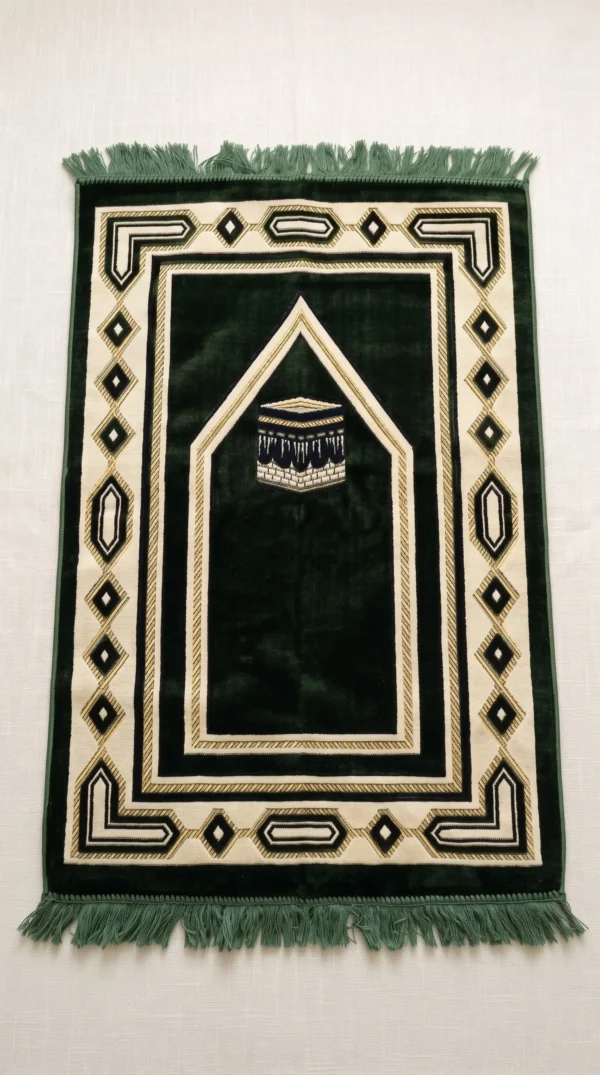
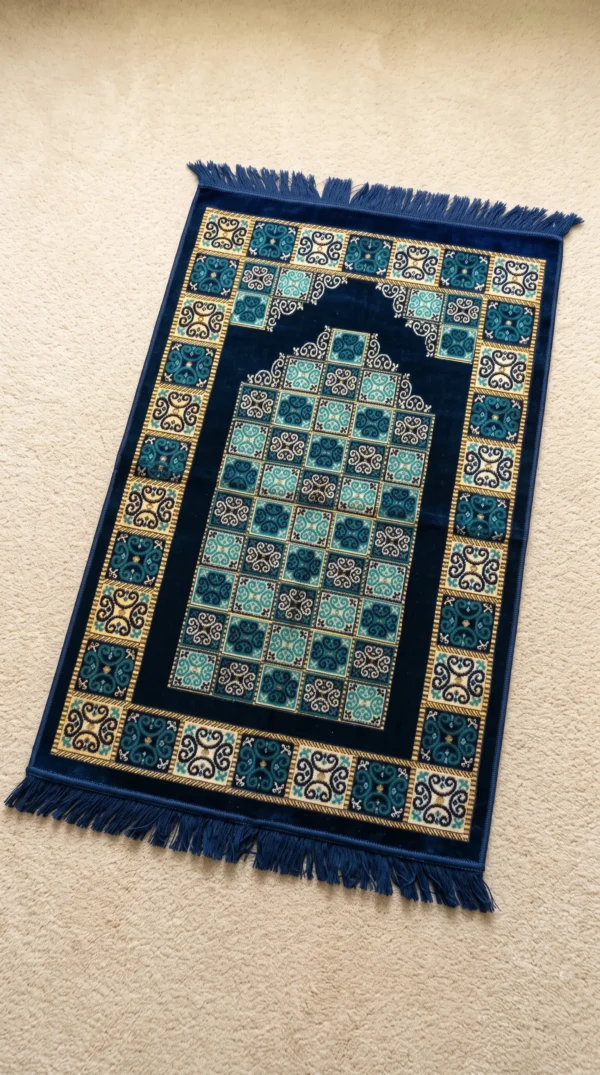
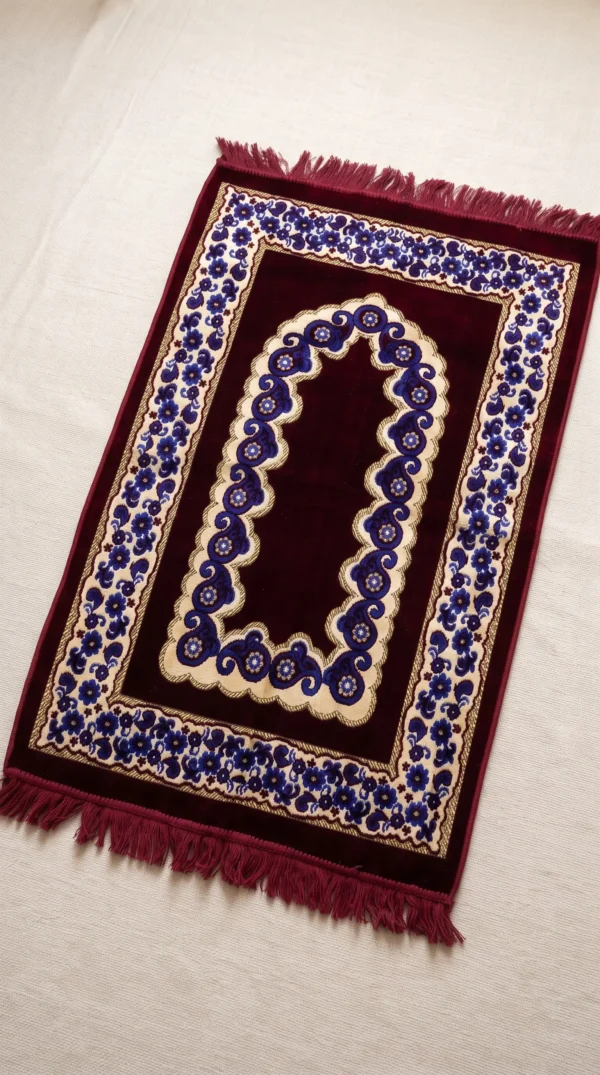
A characteristic feature of nearly every Muslim Prayer Rug is the Mihrab design—an arch-shaped motif at one end. This arch is a symbolic representation of the prayer niche found in a mosque wall, which indicates the Qibla (the direction of the Kaaba in Mecca). When the rug is laid down, the top of the Mihrab must point toward Mecca, orienting the worshipper for prayer.
Beyond the Mihrab, rugs often feature intricate designs. These are not merely decorative; they carry deep spiritual symbolism. Geometric patterns, which represent the harmony and unity of creation, and floral motifs, often symbolizing paradise and divine light, are common. The size is typically designed to comfortably accommodate one adult standing, bowing, and prostrating.
Selecting a prayer rug is a deeply personal choice. Considerations include:
A Janamaz an investment in your spiritual life, a beautiful and functional companion on your daily journey of faith.
A beautiful prayer rug is the foundation of a tranquil prayer environment, but the journey of devotion is further enriched by the garments and tools we choose to accompany it. To fully prepare for your daily Salah with grace and focus, consider these thoughtful additions to your spiritual collection:
By bringing together these essential elements—the rug, the attire, and the Tasbih—you create a holistic experience that honors the beauty of Islamic tradition and the sanctity of your daily prayers.
No, it is not strictly mandatory. The primary requirement is that the place of prayer must be clean and pure. However, using an Islamic Prayer Mat is a widely adopted tradition and a highly respected Sunnah (practice) to guarantee cleanliness and to delineate a dedicated, sacred space for worship.
The prayer rug should be placed so that the pointed arch design, known as the Mihrab, points toward the Qibla. The Qibla is the direction of the Kaaba in Mecca, Saudi Arabia, which is the focal point of Muslim prayer worldwide. Most modern prayer rugs or apps can help you easily determine this direction.
They all refer to the same item—a textile used by Muslims to define a clean space for their daily prayers (Salah). The terms are interchangeable, with "Islamic Prayer Rug" or "Muslim Prayer Mat" being more specific, while "Prayer Rug" is a general term often used to describe the item.